
If you’ve been practicing yoga and meditation and are curious about taking your journey deeper, you might be wondering what to expect from a yoga retreat. A yoga retreat offers a unique opportunity to step away from daily stress and immerse yourself in mindful practices that promote mental wellness and healing. At Simar Yoga, we believe that yoga retreats are transformative experiences designed for anyone seeking balance, regardless of their experience level. Whether you’re a beginner or seasoned practitioner, understanding what happens during a yoga retreat can help reduce hesitation and build the confidence you need to take this meaningful step toward personal growth.
Table of Contents
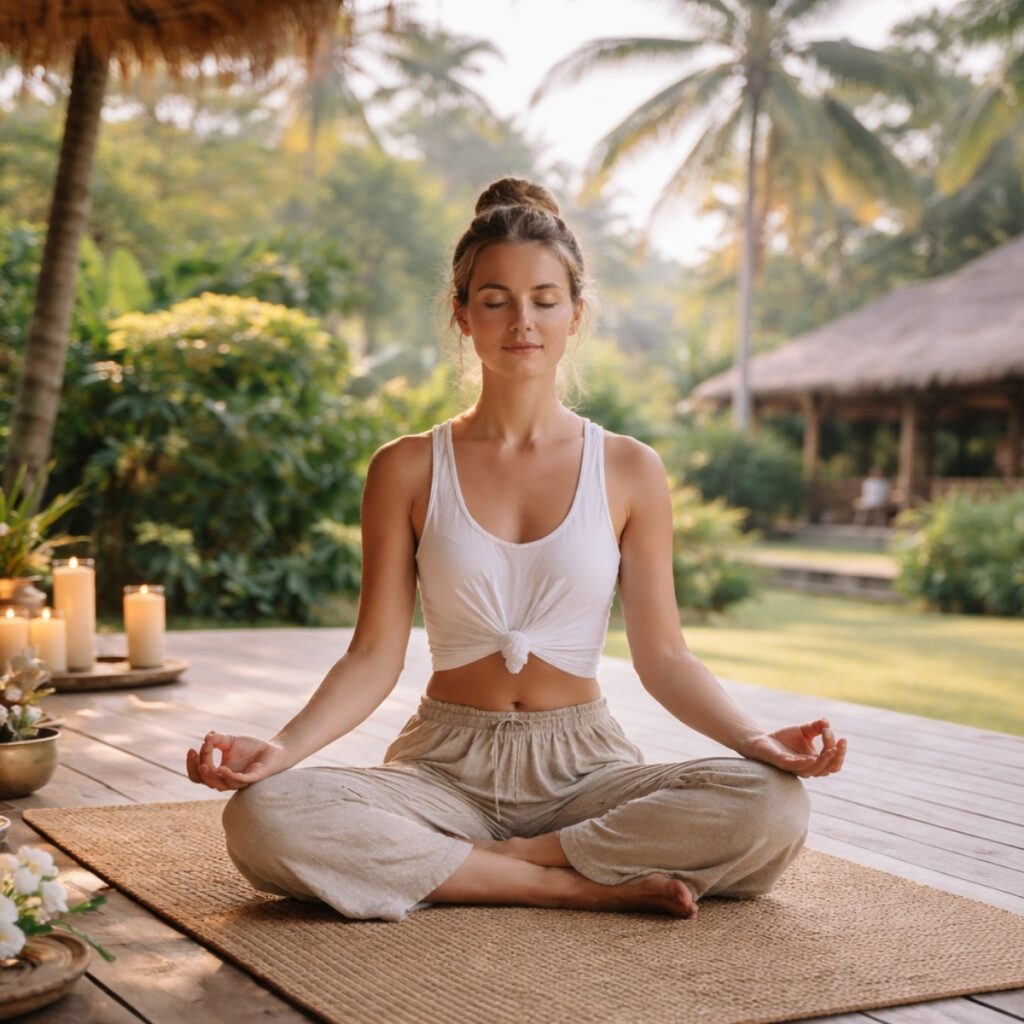
Understanding What a Yoga Retreat Really Is
A yoga retreat is much more than just an extended yoga class. It’s a holistic wellness experience that combines yoga practice, meditation, nutritious meals, nature immersion and community connection. Unlike your regular studio sessions, a yoga retreat creates dedicated time and space for deep introspection, physical rejuvenation and spiritual exploration. These immersive experiences typically range from weekend getaways to week-long or even month-long journeys, each designed to help participants disconnect from their busy lives and reconnect with themselves.
At Simar Yoga, our guiding philosophy centers on helping you find balance through simple practices that create real transformation. When you attend a yoga retreat, you’re investing in yourself, giving yourself permission to pause, breathe and rediscover what truly matters. The retreat structure is intentionally designed to support this journey, with each element working together to create a supportive environment for growth.
Who Are Yoga Retreats Really For?
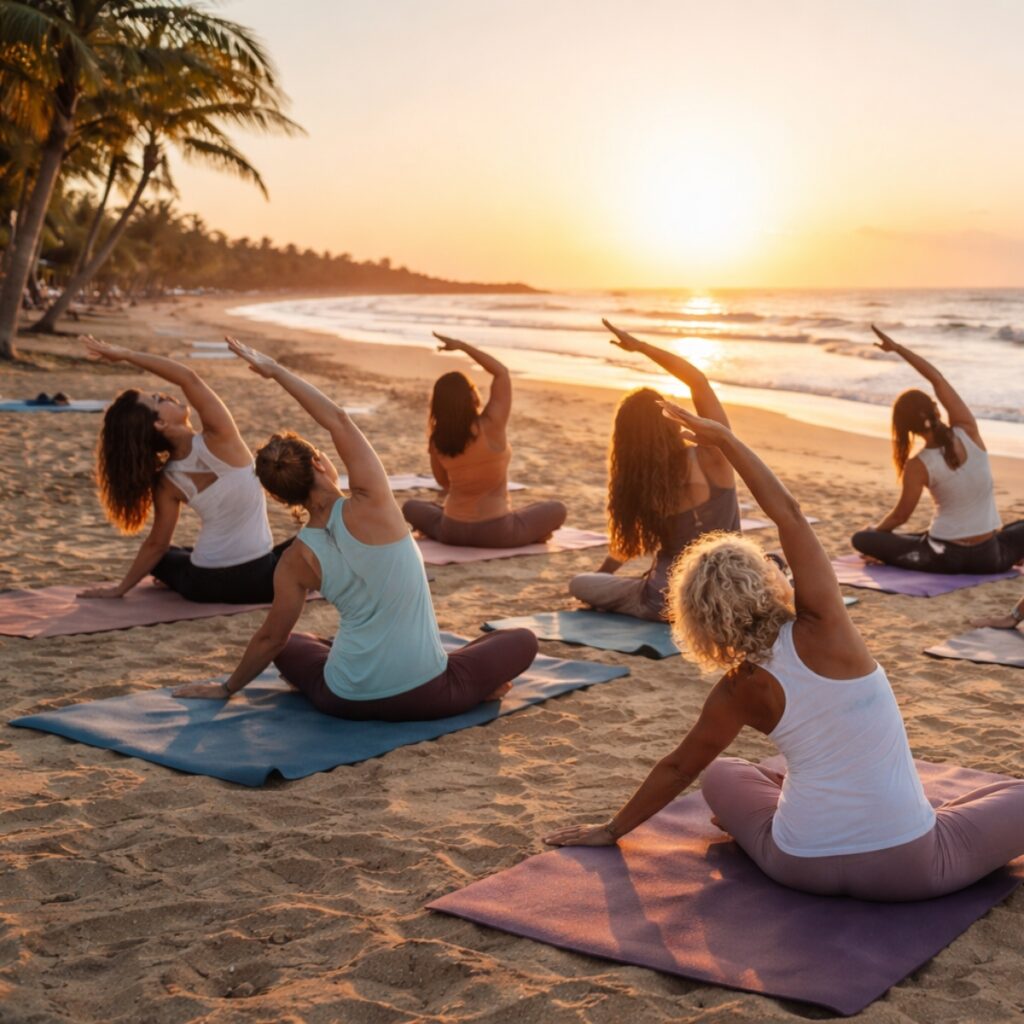
One of the most common misconceptions about yoga retreats is that they’re only for advanced yogis who can hold challenging poses for hours. This couldn’t be further from the truth. Yoga retreats welcome people from all walks of life, fitness levels and experience backgrounds.
Beginners and Newcomers
If you’re new to yoga, a beginner,friendly yoga retreat can be an incredible introduction to the practice. Many retreat centers, including Simar Yoga, offer programs specifically designed for beginners. These retreats focus on foundational poses, breathing techniques and basic meditation practices. The slower pace and supportive environment make it easier to learn without the pressure or self consciousness you might feel in a regular class.
Stressed Professionals Seeking Balance
Corporate professionals, entrepreneurs and busy parents often find yoga retreats particularly valuable. If you’re feeling burned out, overwhelmed or disconnected from yourself, a wellness retreat provides the perfect reset. The structured schedule removes decision fatigue, allowing you to simply show up and be present. Many participants report that even a weekend retreat can significantly reduce stress levels and provide clarity on work,life balance.
Individuals on a Healing Journey
Whether you’re processing grief, recovering from illness or working through emotional challenges, yoga retreats offer a safe space for healing. The combination of mindful movement, meditation practice and supportive community creates powerful conditions for emotional and physical recovery. Many retreat participants find that the immersive nature of the experience helps them break through stuck patterns and discover new perspectives.
Experienced Practitioners Seeking Depth
Even if you’ve been practicing for years, a yoga retreat can deepen your understanding and practice. Advanced retreats often explore more subtle aspects of yoga philosophy, advanced meditation techniques or specialized styles. The extended practice time allows you to refine your skills and explore dimensions of yoga that might not be accessible in shorter classes.
Anyone Craving Community and Connection
In our increasingly isolated modern world, yoga retreats provide meaningful human connection. Shared meals, group activities and collective practice create bonds between participants. Many people attend retreats specifically to meet like-minded individuals who share their interest in personal growth and wellness.
The Typical Yoga Retreat Structure
Understanding the general structure of a yoga retreat can help you feel more prepared and excited about your experience. While every retreat is unique, most follow a similar framework designed to create rhythm and support transformation.
Morning Practices
Most yoga retreats begin the day early, often with a morning meditation session or pranayama (breathing exercises) before sunrise. This quiet morning time is considered sacred, it’s when the mind is fresh and more receptive to stillness. Following meditation, you’ll typically participate in a morning yoga class that might range from 60 to 90 minutes. These morning sessions often focus on energizing sequences that prepare your body and mind for the day ahead.
At Simar Yoga, we believe in meeting you where you are. Our morning yoga sessions offer modifications for all levels, ensuring everyone can participate fully and safely. The focus is on building strength, flexibility and awareness through mindful movement.
Nourishing Meals
Healthy, often vegetarian or vegan meals are a cornerstone of the yoga retreat experience. Food is typically prepared with intention, using fresh, local and organic ingredients when possible. Meals are designed to support your practice, light enough that you can move comfortably, yet nutritious enough to sustain energy throughout the day.
Communal dining is common at yoga retreats, creating opportunities for connection and conversation with fellow participants. Many retreats practice mindful eating, encouraging you to eat slowly, savoring each bite and staying present with the sensory experience of nourishment.
Free Time and Personal Reflection
Unlike tightly scheduled vacations, yoga retreats typically include significant periods of free time. This unstructured time is intentional, it allows space for personal reflection, journaling, nature walks, reading or simply resting. You might use this time to explore the surrounding environment, receive an optional massage or bodywork session or deepen your meditation practice independently.
This balance between structured activities and personal time is crucial for integration. The practices you learn during group sessions need space to settle into your being and free time provides that container.
Afternoon and Evening Sessions
Afternoon activities might include workshops on yoga philosophy, anatomy or specific techniques. Some retreats offer specialized sessions like restorative yoga, yoga nidra (yogic sleep) or creative expression through art and movement. These supplementary practices complement physical yoga, offering varied approaches to wellness and self-discovery.
Evening sessions typically focus on gentler practices. You might experience a slow-flow class, yin yoga or extended meditation. These evening practices prepare your body and mind for deep, restorative sleep. Many retreats conclude the day with a closing circle, where participants can share reflections or insights from their day.
Integration and Rest
Sleep and rest are honored as essential parts of the retreat experience. Early bedtimes are common, supporting the early morning schedule and honoring the body’s need for recovery. The retreat environment typically encourages disconnection from technology, allowing your nervous system to truly rest and restore.
What Makes Yoga Retreats Transformative
The magic of a yoga retreat lies in its cumulative effect. When you practice yoga and meditation consistently over several days in a supportive environment, profound shifts become possible. Here’s what contributes to the transformative potential of these immersive experiences.
Consistent Practice Builds Momentum
In regular life, maintaining a consistent yoga practice can be challenging. Competing obligations, fatigue and lack of motivation often interfere. During a yoga retreat, practice becomes your primary focus. This consistency allows you to experience yoga’s deeper benefits, increased body awareness, emotional release, mental clarity and spiritual connection. What might take months to achieve in weekly classes can sometimes happen in days of immersive practice.
Supportive Environment Removes Obstacles
At home, numerous distractions compete for your attention-work emails, family responsibilities, household chores and social obligations. A yoga retreat removes these external demands, creating a container where your only job is self-care and personal growth. This protected space allows you to turn inward without guilt or distraction.
Community Creates Accountability and Inspiration
Practicing alongside others who share your commitment to growth creates powerful energy. You’ll witness others’ breakthroughs and vulnerabilities, which can inspire courage in your own journey. The group dynamic provides natural accountability, when everyone rises early for meditation, it’s easier to roll out of bed yourself. Many participants form lasting friendships during retreats, creating ongoing support for their wellness journey.
Skilled Guidance Accelerates Learning
Experienced yoga teachers leading retreats offer personalized attention and adjustments that might not be possible in larger studio classes. They can observe your practice closely, offer individualized guidance and answer questions that deepen your understanding. This mentorship accelerates learning and helps you develop a more refined, sustainable personal practice.
Nature Enhances Healing
Many yoga retreats take place in beautiful natural settings-mountains, beaches, forests or countryside. Nature itself is deeply healing. Studies show that time spent in natural environments reduces stress hormones, lowers blood pressure and improves mood. The combination of yoga practice and nature immersion creates synergistic effects that amplify the benefits of both.
Common Concerns and How to Address Them
It’s completely normal to have concerns or hesitations about attending your first yoga retreat. Let’s address some of the most common worries to help you feel more confident.
“I’m not flexible enough for a yoga retreat”
Flexibility is a result of yoga practice, not a prerequisite. Quality yoga retreats accommodate all flexibility levels with modifications and props. The goal isn’t to achieve perfect poses but to explore your body’s current capabilities with kindness and curiosity. At Simar Yoga, we celebrate progress over perfection, creating an environment where everyone feels welcome regardless of their starting point.
“I can’t quiet my mind for meditation”
If you could easily quiet your mind, you wouldn’t need meditation practice! The wandering mind is normal and expected. Meditation teaches you to notice when your mind wanders and gently return to your focus point-breath, mantra or sensation. This returning is the practice itself. Yoga retreats typically offer meditation instruction for beginners, teaching accessible techniques that work with your mind rather than against it.
“I’m worried about being away from my responsibilities”
Taking time for yourself isn’t selfish, it’s essential. When you return from a retreat refreshed and centered, you’ll be better equipped to handle your responsibilities with patience and clarity. Most retreats offer some flexibility for necessary communication, though unplugging as much as possible enhances the experience. Consider this: a weekend investment in your mental wellness can create benefits that last months.
“What if I don’t connect with the other participants?”
While community is a beautiful aspect of yoga retreats, you’re never obligated to socialize beyond your comfort level. Retreat environments respect both connection and solitude. You can engage as much or as little as feels right for you. Many participants find that shared vulnerability creates surprisingly quick bonds, but respecting your own boundaries is equally honored.
“I’m concerned about the cost”
While yoga retreats represent an investment, consider the value against other wellness expenses – therapy sessions, spa treatments or medical bills from stress-related illness. Many retreats offer early bird discounts, payment plans or scholarship opportunities. Even a modest local weekend retreat can provide immense benefit. At Simar Yoga, we believe wellness should be accessible and work to offer options for various budgets.
Preparing for Your First Yoga Retreat
Once you’ve decided to attend a yoga retreat, some simple preparation can enhance your experience and ease any anxiety.
Choosing the Right Retreat
Research retreat options carefully, considering factors like location, duration, teaching style, group size and accommodation type. Read reviews from previous participants. Look for retreats that explicitly welcome your experience level. If you’re a beginner, choose a retreat specifically designed for newcomers rather than intensive advanced programs.
Physical Preparation
If you’re new to yoga, consider attending a few classes before your retreat to familiarize yourself with basic poses and terminology. However, don’t pressure yourself to achieve certain fitness levels. Show up as you are, the retreat will meet you there.
Mental Preparation
Set intentions for your retreat experience. What do you hope to gain? What are you ready to release? Writing these intentions in a journal can help clarify your purpose. Also practice releasing expectations, remain open to experiences unfolding differently than you imagine.
Practical Preparation
Pack comfortable clothing suitable for yoga practice, layers for varying temperatures, a water bottle, journal and any personal items you need. Most retreats provide yoga mats, but bringing your own familiar mat can be comforting. Check the retreat’s packing list for specific recommendations.
Setting Boundaries
Inform work and family about your reduced availability during the retreat. Set up out-of-office messages. Give yourself permission to unplug from technology and daily concerns. This boundary setting is part of honoring your commitment to yourself.
Life After the Retreat: Integration and Continued Growth
The retreat experience doesn’t end when you return home. In fact, the real work often begins during integration, bringing retreat insights and practices into daily life.
Maintaining Your Practice
Before leaving the retreat, commit to specific practices you’ll continue at home. This might be a 10-minute morning meditation, three weekly yoga sessions or a daily gratitude practice. Start small and realistic. Consistency matters more than intensity.
Journaling Insights
Write about your retreat experience soon after returning while memories are fresh. What shifted for you? What surprised you? What practices resonated most? Reviewing these journal entries during challenging times can reconnect you with retreat wisdom.
Staying Connected
Exchange contact information with retreat participants who inspired you. Consider forming a virtual practice group or accountability partnership. These ongoing connections can sustain your motivation and provide support as you integrate your experience.
Planning Your Next Retreat
Many yoga practitioners find that retreats become a regular part of their self-care routine. Consider scheduling your next retreat within 6-12 months while the benefits of your first experience remain fresh. Each retreat deepens your practice and understanding in new ways.
The Simar Yoga Approach to Retreats
At Simar Yoga, our retreat philosophy centers on – accessibility, authenticity and transformation. We believe that healing and balance shouldn’t be complicated or reserved for a select few. Our simple practices create real, lasting change because they’re rooted in timeless wisdom and adapted for modern life.
When you join a Simar Yoga retreat, you’re entering a space designed to hold you exactly as you are while supporting your growth toward who you’re becoming. We combine traditional yoga and meditation techniques with contemporary understanding of mental wellness. Our experienced teachers create safe containers where vulnerability is honored, questions are welcome and everybody is celebrated.
Whether you attend a weekend introduction to yoga retreat or a longer immersive experience, you’ll discover that transformation doesn’t require perfection. It requires presence, patience and practice, all of which we cultivate together.
You may also read our blog “Yoga in a Natural Setting: A Gentle Path to Wellness with Simar Yoga“
Taking the First Step
Reading about yoga retreats is valuable, but the true understanding comes through direct experience. If you’ve felt called to attend a retreat, trust that impulse. Your intuition knows what you need.
Start by exploring retreat options that align with your interests, budget and schedule. Reach out to retreat organizers with questions, reputable programs welcome inquiries and want you to feel confident in your choice. Talk with friends who’ve attended retreats about their experiences. Most importantly, give yourself permission to invest in your wellbeing.
A yoga retreat is a gift you give yourself, a pause button on ordinary life that creates space for extraordinary transformation. In stepping away, you often discover what you’ve been seeking was within you all along. The retreat simply provides the conditions for that recognition to unfold.
At Simar Yoga, we’re here to guide you toward balance through yoga, meditation and mental wellness practices that honor your unique journey. Whether you’re seeking stress relief, spiritual growth, physical healing or simply a break from routine, a yoga retreat can provide the reset and inspiration you need.
Your practice is calling. The retreat is waiting. And you are ready, exactly as you are.