In our fast paced world filled with constant noise and endless distractions, the practice of stillness and silence has become more essential than ever for our inner healing journey. When we embrace moments of quiet contemplation through yoga, meditation and mindful retreats, we create sacred space for profound transformation and emotional restoration. This ancient wisdom of stillness and silence offers us a pathway to reconnect with our true selves and discover the healing that resides within.
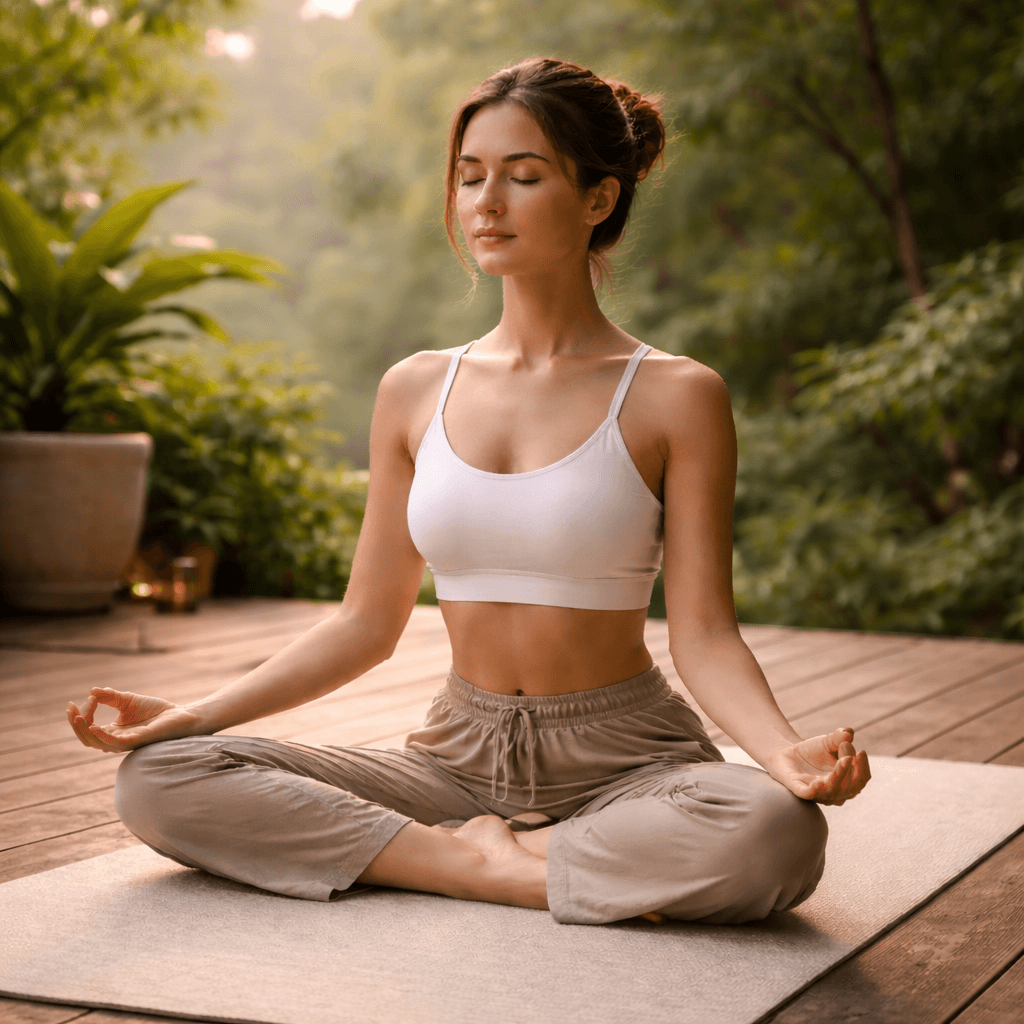
Table of Contents
Understanding the Power of Stillness and Silence
Stillness and silence are not merely the absence of movement or sound; they represent a profound state of being where healing naturally unfolds. In the gentle embrace of quietude, our nervous system finds the safety to release stored tension, our minds gain clarity from the endless chatter and our hearts open to deeper wisdom. This transformative practice allows us to step away from the demands of daily life and return to our centre, where authentic healing begins.
The journey toward inner healing through stillness requires us to honour the importance of slowing down. In a culture that celebrates busyness and productivity, choosing to pause becomes a revolutionary act of self care. When we consciously slow our pace, we give ourselves permission to feel, to process and to integrate the experiences that shape our lives.
The Importance of Slowing Down for Healing
Modern life moves at an unprecedented speed, leaving little room for reflection or restoration. Our bodies and minds were not designed for this constant state of activation. When we fail to slow down, we accumulate stress, suppress emotions and disconnect from our intuitive wisdom. The practice of stillness and silence offers an antidote to this relentless pace.
Slowing down creates the conditions necessary for genuine healing. Just as a wound requires time and gentle care to mend, our emotional and spiritual wounds need the nurturing environment that only stillness can provide. In these quiet moments, we can finally hear the whispers of our soul, acknowledge our pain and begin the sacred work of healing from within.
Physical Benefits of Embracing Slowness
When we intentionally slow down through practices like restorative yoga and meditation, remarkable changes occur within our physical body. Our heart rate decreases, blood pressure normalizes and stress hormones diminish. The parasympathetic nervous system our body’s natural healing mode becomes activated, allowing for deep restoration and renewal.
This physiological shift supports our overall wellbeing in countless ways. Inflammation decreases, immune function improves and our body’s innate healing mechanisms engage more fully. Through the simple act of being still, we grant our physical form the rest it desperately needs to repair and regenerate.
Emotional and Mental Clarity
Beyond the physical benefits, stillness and silence provide profound emotional and mental healing. In the quiet spaces between thoughts, we gain perspective on our challenges and clarity about our path forward. Emotions that have been buried beneath layers of busyness finally have room to surface and be acknowledged.
This emotional processing is essential for inner healing. When we create stillness in our lives, we develop the capacity to witness our feelings without judgment, to understand their messages and to release what no longer serves us. The mind, freed from its constant problem-solving mode, discovers new creative solutions and deeper insights.
Stillness in Yoga Practice
Yoga offers us a beautiful framework for exploring stillness and silence within movement. While many people associate yoga primarily with physical postures, the true essence of yoga lies in the union of body, breath and awareness a state that naturally cultivates inner stillness.
Restorative and Yin Yoga
Restorative yoga and yin yoga are particularly powerful practices for experiencing stillness. These gentle approaches invite us to hold poses for extended periods, supported by props that allow complete relaxation. In this supported stillness, we learn to surrender control and trust the healing process.
Yin yoga takes us deeper into the connective tissues, encouraging a meditative quality of awareness as we settle into longer holds. This practice teaches us patience and the art of being rather than doing. The stillness we cultivate on the mat gradually permeates other areas of our lives, creating lasting transformation.
Savasana: The Practice of Conscious Rest
Savasana or corpse pose, represents the culmination of our yoga practice a time of complete stillness and integration. Though it may appear simple, this pose requires us to consciously release all effort and surrender into deep rest. In savasana, the healing benefits of our practice are absorbed and integrated.
Many practitioners find savasana to be the most challenging pose because it asks us to do nothing. Yet in this profound stillness, our body completes its healing work, our nervous system recalibrates and our awareness expands beyond the physical realm. Regular practice of conscious rest through savasana builds our capacity for stillness in daily life.
Breath Awareness and Pranayama
The breath serves as a bridge between movement and stillness in yoga. Through pranayama practices, we learn to observe and guide our breath with gentle attention. This focused awareness naturally quiets the mind and anchors us in the present moment.
Simple breathing techniques like alternate nostril breathing or extended exhalation activate our relaxation response and create inner stillness. As we develop our breath awareness, we discover that the space between breaths holds profound silence a gateway to deeper meditation and healing.
Meditation: Entering the Silence Within
Meditation is perhaps the most direct path to experiencing the transformative power of stillness and silence. Through regular meditation practice, we train our attention to rest in the present moment, observing our thoughts and sensations without attachment. This cultivation of inner witness consciousness is essential for healing.
Different Meditation Approaches for Stillness
Many meditation techniques can support our journey into stillness. Mindfulness meditation teaches us to observe our experience with kind curiosity, while loving-kindness meditation opens our hearts to compassion. Body scan meditations guide our awareness through different areas, releasing tension and promoting relaxation.
Transcendental meditation uses mantras to settle the mind into deeper states of consciousness. Walking meditation brings mindful stillness into gentle movement. Each approach offers unique benefits and exploring different styles helps us discover what resonates most deeply with our healing needs.
Creating a Personal Meditation Practice
Establishing a consistent meditation practice doesn’t require hours of time or perfect conditions. Even five to ten minutes of daily stillness can create significant shifts in our wellbeing. The key is regularity returning again and again to this sacred appointment with ourselves.
Choose a quiet space where you feel comfortable and safe. Set a realistic time commitment that you can honour consistently. Begin with shorter sessions and gradually extend the duration as your capacity for stillness grows. Remember that meditation is a practice, not a performance there is no perfect way to be still.
Overcoming Restlessness and Mental Chatter
When we first begin practicing stillness and silence, we often encounter resistance. The mind produces an endless stream of thoughts, the body feels uncomfortable and restlessness arises. This is completely normal and part of the healing process.
Approach these challenges with patience and self compassion. When thoughts arise, simply acknowledge them and gently return your attention to your breath or chosen focal point. Physical discomfort often diminishes as we learn to relax more fully. Trust that each moment of practice, however imperfect, contributes to your healing journey.
The Healing Environment of Retreats
Yoga and meditation retreats provide an immersive environment for experiencing extended periods of stillness and silence. Removed from our daily responsibilities and familiar distractions, we can dive more deeply into our inner healing work. Retreats offer a container of support that amplifies the benefits of our practice.
The Power of Sacred Space
Retreat centres are intentionally designed to support contemplative practice and inner healing. Natural settings, simple accommodations and minimal external stimulation help us disconnect from ordinary routines and reconnect with our essential nature. This sacred space holds us as we explore the depths of stillness.
The collective energy of fellow retreat participants creates a supportive field for transformation. While much of the work is deeply personal, being surrounded by others committed to their healing journey reminds us that we’re not alone. Shared silence during meals or walking periods deepens our experience of community within stillness.
Structured Silence and Noble Silence
Many retreats incorporate periods of noble silence extended times when verbal communication ceases. This practice allows us to conserve our energy and direct it inward rather than dispersing it through social interaction. In noble silence, we develop new awareness of our communication patterns and the constant need to fill space with words.
The absence of conversation creates space for self reflection and contemplation. We notice how often we seek external validation or distraction. We discover that true connection doesn’t always require words. This experience of prolonged stillness often leads to breakthrough insights and emotional releases that contribute significantly to our healing.
Integration and Returning Home
The true value of retreat experiences lies in integrating the insights and practices into our daily lives. The stillness we cultivate in retreat settings can be maintained through regular meditation, yoga practice and conscious choices to slow down. Setting aside weekly or monthly personal retreat time helps sustain the healing momentum.
Consider creating a retreat-like atmosphere at home by designating a meditation corner, scheduling technology free time or practising periods of silence on weekend mornings. These small acts of commitment to stillness and silence support ongoing inner healing and personal growth.
Practical Ways to Cultivate Stillness Daily
Incorporating stillness and silence into our everyday routine doesn’t require dramatic life changes. Small, consistent practices accumulate into profound transformation over time. Here are practical approaches to weaving more quietude into your daily experience.
Morning Stillness Rituals
Beginning your day with stillness sets a peaceful tone for everything that follows. Before checking your phone or engaging with external demands, spend a few minutes in quiet reflection. This might include meditation, gentle stretching, journaling or simply sitting with your morning beverage in silence.
Morning stillness helps us connect with our intentions and inner guidance before the day’s activities pull us in different directions. This practice strengthens our ability to remain centred amid challenges and maintain connection to our deeper purpose.
Mindful Transitions Throughout the Day
Create intentional pauses between activities as moments of mini retreat. After completing one task, take three conscious breaths before moving to the next. When arriving home, sit in your car for a minute of silence before entering. These transition moments help prevent the accumulation of stress and maintain our connection to stillness.
Even washing dishes, waiting in line or walking from one room to another can become opportunities for mindfulness. By bringing full attention to these simple activities, we transform ordinary moments into practice opportunities that support our healing.
Evening Wind-Down Practices
An evening routine that honours stillness prepares our body and mind for restorative sleep. Consider turning off screens an hour before bed, dimming lights and engaging in calming activities. Gentle yoga stretches, reading inspirational texts or a warm bath can support the transition into nighttime rest.
A brief body scan or gratitude meditation before sleep helps us release the day’s tensions and cultivate positive mental states. This consistent evening ritual signals to our nervous system that it’s safe to rest deeply, enhancing the healing that occurs during sleep.
The Neuroscience of Silence and Healing
Modern research confirms what contemplative traditions have taught for centuries: stillness and silence create measurable changes in our brain and body that support healing. Understanding the science behind these practices can strengthen our commitment to them.
Studies show that meditation and periods of silence increase grey matter density in brain regions associated with emotional regulation, self awareness and compassion. The default mode network—active during mind wandering and self referential thinking becomes better regulated, reducing rumination and anxiety.
Silence has been shown to stimulate neurogenesis, the growth of new brain cells in the hippocampus, an area crucial for learning and memory. Even brief periods of quiet can lower cortisol levels, reduce blood pressure and improve immune function. These physiological changes create the optimal conditions for deep inner healing.
Embracing Resistance and Discomfort
The path of stillness and silence isn’t always comfortable. We may encounter difficult emotions, painful memories or existential questions that have been buried beneath activity and noise. This discomfort is often where the deepest healing occurs.
Approach resistance with curiosity rather than judgment. Notice when the urge to escape stillness arises to check your phone, create busyness or distract yourself. These impulses reveal where healing is most needed. By gently staying present with discomfort, we develop resilience and discover that we can bear more than we imagined.
Remember that healing is not linear. Some days stillness feels natural and nourishing; other days it feels impossible. Both experiences are valid and valuable. The practice is showing up consistently, trusting the process and honouring wherever you are on your journey.
The Ripple Effect of Personal Stillness
As we deepen our relationship with stillness and silence, the benefits extend far beyond our personal healing. Our increased presence and calm naturally influences our relationships, work and community. We become more patient listeners, more thoughtful responders and more compassionate companions.
The stillness we cultivate within ourselves creates space for others to find their own quietude. Our peaceful presence offers an invitation to slow down, to breathe, to reconnect with what matters most. In this way, our individual healing practice contributes to collective wellbeing.
When we heal ourselves through stillness and silence, we break patterns of reactivity and unconsciousness that may have been passed down through generations. We create new possibilities for those who come after us, modelling a different way of being in the world, one rooted in awareness, presence and inner peace.
You may also read our blog “Understanding Different Yoga Styles and Choosing What Feels Right for Beginners“
Conclusion: Returning to the Source
The practice of stillness and silence is ultimately a return to our essential nature. Beneath the layers of conditioning, stress and accumulated pain lies a wellspring of peace, wisdom and wholeness. Through yoga, meditation and retreat experiences, we learn to access this inner sanctuary.
Inner healing doesn’t mean eliminating all challenges or achieving permanent bliss. Rather, it means developing the capacity to meet life’s difficulties from a place of groundedness and clarity. Stillness and silence provide the foundation for this resilience, teaching us to find calm within the storm.
As you continue your healing journey, remember that each moment of stillness matters. Every conscious breath, every meditation session, every time you choose presence over distraction all of these contribute to your transformation. Trust in the power of quietude to reveal what you most need to know and to heal what most needs attention.
May you find the courage to slow down, the willingness to be still and the grace to listen to the silence within. In that sacred space, your deepest healing awaits.
At Simar Yoga, we honour the transformative power of stillness and silence through our classes, workshops and retreat offerings. Join us in creating space for your inner healing journey.