When life feels overwhelming and your mind races with worry, Yoga Improves Mental Health by offering a gentle refuge practice that extends far beyond physical postures to nurture your emotional wellbeing and nervous system. In a world where anxiety and stress have become commonplace, understanding how yoga supports mental health can open pathways to lasting inner peace.
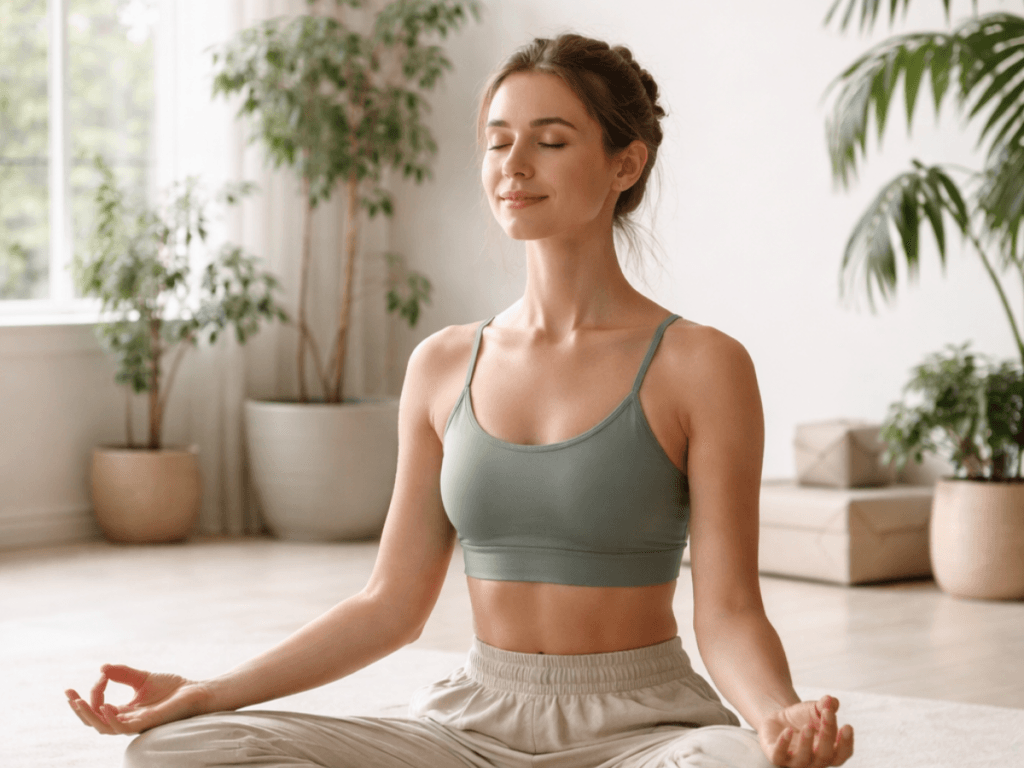
Table of Contents
Understanding the Deep Connection Between Yoga and Your Nervous System
How Yoga Improves Mental Health
Yoga creates profound changes in your body’s stress response system. When you practice mindful movement and breathing, you’re directly influencing your autonomic nervous system, the part of your body that governs your fight or flight response and relaxation states.
The Vagus Nerve: Your Body’s Natural Calming Pathway
Your vagus nerve acts as a communication highway between your brain and body. During yoga for mental health, specific breathing techniques and poses stimulate this vital nerve, activating what scientists call the parasympathetic nervous system. This is your body’s rest-and-digest mode, the counterbalance to stress.
When you hold a gentle forward fold or practice slow, deliberate breathing, you’re essentially sending safety signals throughout your entire system. Your heart rate softens, blood pressure decreases and stress hormones like cortisol begin to decline. This isn’t merely relaxation, it’s a fundamental recalibration of how your body responds to life’s challenges.
Beyond Flexibility: The True Mental Health Benefits of Yoga
Many people begin their yoga journey seeking greater flexibility or physical strength. What they often discover surprises them: mental health yoga practices offer gifts that extend far deeper than touching your toes.
Research published in peer reviewed journals reveals that regular yoga practice significantly reduces symptoms of depression and anxiety. A comprehensive study in the Journal of Psychiatric Practice found that yoga interventions decreased depressive symptoms by approximately 50% in participants. These aren’t small improvements, they’re meaningful shifts in quality of life.
The Science Behind Yoga’s Impact on Emotional Balance
Modern neuroscience has illuminated exactly how yoga creates emotional equilibrium. Brain imaging studies show that consistent yoga practice increases gray matter in regions associated with emotional regulation, including the hippocampus and prefrontal cortex.
GABA and the Anxiety-Reducing Effects of Yoga
Gamma aminobutyric acid (GABA) is a neurotransmitter that helps calm neural activity. Low GABA levels are linked with anxiety disorders and depression. Remarkably, just one hour of yoga can increase brain GABA levels by up to 27%, according to research from Boston University School of Medicine.
This biochemical shift explains why many practitioners feel noticeably calmer after class. You’re not imagining the peace your brain chemistry is literally changing. These effects make yoga for mental health a powerful complement to traditional treatments.
Mindfulness and the Present Moment
Yoga naturally cultivates mindfulness, the practice of bringing awareness to the present moment without judgment. When you’re balancing in Tree Pose or flowing through Sun Salutations, your attention must focus on the here and now. This temporary reprieve from rumination about the past or worry about the future gives your mind essential rest.
Over time, this capacity for present moment awareness extends beyond the mat. You begin noticing triggers before they overwhelm you, creating space between stimulus and response. This pause becomes your superpower for emotional regulation.
How Different Yoga Styles Support Mental Wellness
Not all yoga mental health practices look the same. Different styles offer unique benefits for various mental health needs.
Restorative Yoga for Anxiety and Nervous System Healing
Restorative yoga uses props like bolsters, blankets and blocks to support your body in passive poses held for extended periods sometimes 10 to 20 minutes. This deeply nurturing practice allows your nervous system to fully release chronic tension.
For those experiencing anxiety or recovering from trauma, restorative yoga provides a safe container for the body to discharge stored stress. The gentle, supported nature of the poses sends powerful messages of safety to your nervous system.
Vinyasa and Flow for Depression
When depression drains your energy and motivation, the rhythmic movement of Vinyasa or flow yoga can reignite your inner vitality. The coordinated breath and movement create a moving meditation that interrupts depressive thought patterns.
The achievement of completing a challenging sequence also provides a gentle boost to self efficacy and the belief in your own capabilities. This psychological lift can be particularly valuable when depression tells you you’re incapable or worthless.
Yin Yoga for Deep Emotional Release
Yin yoga targets the connective tissues and fascia with long held, passive stretches. This style creates space not just in your physical body, but in your emotional body as well. Many practitioners report unexpected emotional releases during yin practice tears, laughter or waves of sensation.
Traditional Chinese medicine principles underlying yin yoga suggest that emotions become stored in fascia and organs. Whether you view this metaphorically or literally, the practice often unlocks feelings that need acknowledgment and release.
Pranayama: The Breath as a Mental Health Tool
Pranayama or yogic breathing techniques, might be yoga’s most accessible mental health support. Unlike poses that require space or physical ability, breathing practices can be done anywhere, anytime.
Alternate Nostril Breathing for Balance
Nadi Shodhana or alternate nostril breathing, creates balance between the left and right hemispheres of your brain. This simple technique breathing through one nostril at a time in a specific pattern has been shown to reduce anxiety and promote emotional equilibrium.
The practice takes just five minutes but can shift your entire nervous system state. Many people use this technique before stressful situations or when feeling emotionally dysregulated.
Extended Exhale Breathing for Immediate Calm
When anxiety spikes, lengthening your exhale activates your parasympathetic nervous system almost immediately. By breathing in for a count of four and out for a count of six or eight, you signal safety to your body.
This technique leverages your body’s natural physiology. The exhale is directly connected to the vagus nerve, which means controlled exhales literally calm your heart rate and stress response.
Yoga as Supportive Practice, Not Replacement Therapy
It’s essential to understand that while yoga supports mental health powerfully, it works best as part of a comprehensive wellness approach. Yoga is not a substitute for professional mental health care when you need it.
When to Seek Professional Support
If you’re experiencing persistent symptoms of depression, anxiety or other mental health conditions that interfere with daily functioning, please reach out to a qualified mental health professional. Yoga can be a beautiful complement to therapy and, when appropriate, medication—but it shouldn’t replace evidence based treatments.
Think of yoga for mental health as one tool in your wellness toolkit. Therapy provides targeted intervention for specific issues, processing of trauma and professional guidance. Yoga offers daily practices for nervous system regulation, body awareness and stress management.
Integrating Yoga with Therapy and Other Treatments
Many therapists now recognize the value of body based practices like yoga. Somatic therapies which address how trauma and emotion are stored in the body particularly complement yoga practice.
Inform both your yoga teacher and mental health provider about your complete wellness approach. This transparency allows them to support you more effectively. For instance, a trauma informed yoga teacher can modify practices if certain poses trigger difficult emotions.
Creating a Personal Yoga Practice for Mental Wellness
You don’t need hour-long classes or expensive studios to benefit from mental health yoga. A consistent home practice, even brief, can be profoundly supportive.
Start Small and Build Gradually
Beginning with just 10 minutes daily creates more sustainable change than sporadic longer sessions. Choose a time when you’re most likely to follow through perhaps morning to set your day’s tone or evening to release accumulated stress.
Even five minutes of gentle stretching combined with mindful breathing offers nervous system benefits. Give yourself permission to start exactly where you are.
Listen to Your Body’s Wisdom
Your body holds deep intelligence about what it needs. Some days, vigorous movement feels right; other days, your system craves gentle, restorative poses. This isn’t inconsistency, it’s responsive self care.
Developing this listening capacity is itself therapeutic. Many mental health struggles involve disconnection from bodily sensations and needs. Yoga rebuilds this essential relationship.
Consistency Over Intensity
For mental health benefits, regular practice matters more than advanced poses. Your nervous system responds to patterns and routine. Showing up consistently, even when practice feels imperfect, trains your system toward greater regulation.
This approach also cultivates self compassion. You learn that your worth isn’t tied to performance or achievement even on the yoga mat.
The Role of Community in Yoga and Mental Health
While personal practice is valuable, practicing yoga for mental health in the community adds another dimension of healing. Humans are inherently social beings; our nervous systems actually regulate each other’s.
Co-Regulation and Collective Calm
When you practice yoga in a group, particularly in person, you benefit from what neuroscientists call co-regulation. Being in the presence of others who are calm and focused helps your own nervous system find those states more easily.
This is why class often feels different from home practice. The collective energy supports individual regulation in ways that practicing alone sometimes cannot.
Reducing Isolation Through Connection
Mental health struggles often include profound loneliness. Attending yoga classes creates regular social contact without demanding extensive interaction. You can be part of a community while still maintaining whatever boundaries feel comfortable.
Many students form meaningful connections through classes, finding friends who understand the value of mindful, embodied living.
Trauma-Informed Yoga: Creating Safety for Healing
For individuals who’ve experienced trauma, standard yoga classes can sometimes feel triggering. Trauma informed yoga adapts practices to create maximum safety and empowerment.
Choice and Autonomy
Trauma informed teachers offer choices rather than directives. Instead of “Place your hands on your knees,” they might say, “Notice where your hands want to rest.” This subtle shift honours your autonomy essential for trauma healing.
When you’ve experienced events that removed your choice, reclaiming agency over your body and practice becomes therapeutic itself.
Modifications and Personal Pacing
Trauma sensitive classes encourage modifications and explicitly allow taking breaks. There’s no pressure to do what everyone else does or push through discomfort.
This approach recognizes that healing happens when your nervous system feels safe, not stressed. Gentle invitation replaces pushing or forcing.
Measuring Your Mental Health Progress Through Yoga
Unlike physical flexibility, mental health improvements can be subtle and gradual. Learning to recognize these shifts helps you appreciate yoga’s impact.
Noticing Increased Window of Tolerance
Your “window of tolerance” refers to the zone where you can function effectively without becoming overwhelmed or shutting down. As yoga supports mental health, you may notice this window expanding.
Perhaps situations that previously triggered panic attacks now feel manageable. Maybe you recover from stress more quickly. These are meaningful indicators of nervous system healing.
Improved Sleep Quality
Many practitioners report that regular yoga practice improves their sleep—both falling asleep more easily and experiencing deeper rest. Quality sleep is foundational to mental health, so this benefit ripples through all aspects of wellbeing.
The combination of physical release, mental quieting and nervous system regulation yoga naturally prepares your body for restorative sleep.
Bringing Yoga’s Wisdom Into Daily Life
The ultimate goal of yoga for mental health isn’t creating a separate “yoga self” but integrating practices into how you live each day.
Micro-Practices Throughout Your Day
You don’t need a yoga mat to practice yoga. Taking three conscious breaths before a difficult conversation, noticing tension in your shoulders while working or pausing to feel your feet on the ground are all yoga.
These micro practices accumulate, creating sustained nervous system regulation throughout your day rather than only during designated practice time.
Cultivating Witness Consciousness
Yoga develops your capacity to observe your thoughts and emotions without being completely consumed by them. This “witness consciousness” creates precious space around difficult experiences.
You begin recognizing “I’m having anxious thoughts” rather than “I am anxious.” This distinction might seem subtle, but it’s profoundly liberating.
You may read our blog “Yoga for Anxiety and Overthinking: Calming the Mind Naturally“
Your Invitation to Begin
If you’re considering yoga for mental health, know that you don’t need to be flexible, fit or experienced to benefit. The practice meets you exactly where you are, offering tools for the journey ahead.
Your mental health matters deeply. Whether you’re struggling with specific diagnoses or simply seeking greater peace and resilience, yoga’s ancient wisdom combined with modern science offers genuine support.
Start gently. Breathe consciously. Move mindfully. Trust that small, consistent steps create meaningful change. Your nervous system is listening, your body is learning and your whole being is capable of greater ease than you might currently imagine.
The mat awaits not as a place of perfection, but as a sanctuary for becoming more fully, peacefully yourself.
Join Simar Yoga Academy – Certified by Canadian Yoga Alliance
Choosing Simar Yoga Academy means choosing credibility, authenticity, and internationally recognized training. As an academy certified by the Canadian Yoga Alliance, it meets global standards for yoga education, ensuring structured curriculum, qualified instructors, and professional ethics. This certification adds value to your learning journey, whether you aim to deepen your personal practice or build a career as a certified yoga instructor. Simar Yoga Academy blends traditional yogic wisdom with modern, science-backed understanding of wellness, creating a supportive environment where students grow physically, mentally, and spiritually. With expert guidance, personalized attention, and globally valid certification, it becomes a trusted path toward both personal transformation and professional success.