In the sacred silence between each inhale and exhale lies a doorway to profound inner peace. Breathwork and pranayama represent far more than simple breathing exercises; they form the foundation of holistic wellness, offering pathways to emotional healing, mental clarity and spiritual awakening. This ancient practice, rooted in yogic tradition, continues to transform lives across the modern world, gently guiding practitioners toward balance and inner harmony.
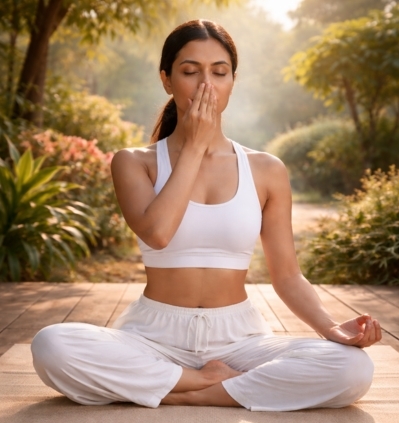
Table of Contents
Understanding the Sacred Art of Pranayama
The Sanskrit word “pranayama” combines two essential elements: “prana,” meaning life force or vital energy and “ayama,” which translates to extension or expansion. Together, breathwork and pranayama create a powerful methodology for expanding our vital life energy through conscious breathing practices.
Unlike the automatic, unconscious breathing that sustains us throughout the day, pranayama invites us into a deliberate relationship with our breath. This mindful approach awakens dormant energy centres, calms the nervous system and creates space for deep transformation. Through regular practice, we discover that each breath becomes a meditation, each cycle an opportunity for renewal.
The Profound Role of Breath in Yoga Philosophy
Within the eight limbs of yoga outlined by Patanjali, pranayama occupies the fourth limb, a bridge between external practices and internal awareness. This positioning reflects the breath’s unique nature: it operates both voluntarily and involuntarily, connecting our conscious mind with unconscious bodily processes.
Ancient yogis understood what modern science now confirms, that conscious breathing directly influences our autonomic nervous system. Through mindful breathing techniques, we access the ability to shift from stress responses into states of calm, from mental chaos into clarity. The breath becomes our anchor, our guide and our teacher.
The Energy Highway: Nadis and Chakras
Traditional yoga philosophy describes 72,000 nadis or energy channels, flowing throughout the subtle body. Breathing exercises work directly with these pathways, particularly the three primary nadis: ida (lunar, cooling energy), pingala (solar, warming energy) and sushumna (central channel). Through specific pranayama techniques, we balance these energies, creating harmony within our entire being.
When prana flows freely through these channels, our chakras, energy centres along the spine, activate and balance. This energetic alignment supports physical health, emotional stability and spiritual growth, demonstrating the interconnected nature of breathwork benefits.
Breathwork for Emotional Balance and Healing
Our emotional landscape intimately connects with our breathing patterns. Notice how anxiety quickens the breath, how grief creates heaviness in the chest, how joy expands our capacity to breathe deeply. Pranayama practice offers gentle tools for navigating these emotional waters with grace and awareness.
Releasing Stored Emotions Through Conscious Breathing
Many of us carry unprocessed emotions within our bodies, often manifesting as tension, shallow breathing or chronic stress. Breathing meditation creates safe space for these stored emotions to surface and release. As we breathe consciously, we may discover sadness, anger or fear emerging, not to overwhelm us, but to finally find freedom.
This emotional release through breathwork happens naturally when we create the conditions for safety and presence. The breath becomes a compassionate companion, holding us through whatever arises, never forcing but always supporting our journey toward wholeness.
Cultivating Emotional Resilience
Regular pranayama practice builds what we might call emotional stamina, the capacity to remain centred amidst life’s inevitable storms. Through techniques like alternate nostril breathing and extended exhalations, we train our nervous system to return to equilibrium more quickly after stress or upset.
This resilience doesn’t mean suppressing emotions or becoming unaffected by life’s challenges. Rather, it offers us the ability to feel deeply while maintaining our centre, to respond rather than react, to choose presence over panic.
Mental Clarity Through Pranayama Practice
In our hyperconnected, overstimulated world, mental fog has become increasingly common. Racing thoughts, difficulty concentrating and mental fatigue plague many seeking peace. Yoga breathing techniques offer profound relief from this cognitive overwhelm.
Sharpening Focus and Concentration
Certain breathing practices specifically enhance mental clarity and focus. Kapalabhati or “skull shining breath,” energizes the mind and clears mental cobwebs. Bhramari, the humming bee breath, quiets mental chatter and promotes introspection. Each technique serves a unique purpose, allowing us to customize our practice to our current needs.
When we direct attention to the breath, the mind naturally becomes more focused. This single pointed awareness, called dharana in yoga philosophy, forms the foundation for deeper meditation and self realization. Through consistent practice, we develop the ability to direct our attention consciously rather than being pulled by every passing thought.
Reducing Anxiety and Overthinking
The parasympathetic nervous system, responsible for our rest and digest response, activates through specific pranayama techniques. Slow, deep breathing particularly when the exhale extends longer than the inhale signals safety to our nervous system, reducing cortisol levels and promoting mental calm.
For those experiencing anxiety or overthinking, breathwork provides an accessible, immediate tool for finding ground. Unlike thought-based approaches that might add another layer of mental activity, pranayama works directly with the body, offering relief before the mind even fully comprehends what’s happening.
Essential Pranayama Techniques for Transformation
While hundreds of breathing variations exist within yogic tradition, certain foundational practices offer particular benefit for beginners and experienced practitioners alike. Each technique brings unique gifts, supporting different aspects of our wellbeing.
Nadi Shodhana: Alternate Nostril Breathing
This balancing practice purifies the energy channels and harmonizes the left and right hemispheres of the brain. By alternating breath through each nostril, we create equilibrium between active and receptive energies, thinking and feeling, doing and being.
To practice, sit comfortably with a straight spine. Using your right hand, close your right nostril with your thumb and inhale through the left. Close the left nostril with your ring finger, release the right nostril and exhale right. Inhale right, close right, exhale left. This completes one cycle. Continue for 5-10 rounds, breathing smoothly and evenly.
Ujjayi: Ocean Breath
Often called “victorious breath,” ujjayi creates a gentle ocean-like sound by slightly constricting the back of the throat. This warming, focusing breath supports both physical practice and meditation, building internal heat while maintaining mental clarity.
The steady sound of ujjayi serves as an anchor for attention, drawing us into the present moment. Many practitioners find this breathing technique particularly helpful for managing stress and anxiety, as the rhythmic sound creates a meditative quality that soothes the nervous system.
Sitali and Sitkari: Cooling Breaths
When internal heat builds whether from physical practice, emotional intensity or external temperature cooling, pranayama offers relief. Sitali involves curling the tongue and inhaling through the tube-like shape, while sitkari draws breath through clenched teeth.
These practices demonstrate pranayama’s adaptability to different needs and conditions. By offering both heating and cooling techniques, the tradition acknowledges that transformation requires balance, not constant intensity.
Bhastrika: Bellows Breath
This energizing practice involves rapid, forceful breathing that oxygenates the blood and awakens dormant energy. Like bellows stoking a fire, bhastrika gently builds warmth and supports natural vitality, this powerful technique requires proper instruction and should be approached gradually, particularly for beginners.
The Science Behind Breathwork Benefits
Modern research increasingly validates what yogis have known for millennia that conscious breathing profoundly affects our physical, mental and emotional health. Understanding these mechanisms can deepen our appreciation for pranayama’s transformative potential.
Nervous System Regulation
The vagus nerve, the longest cranial nerve in our body, responds directly to breathing patterns. Deep, slow breathing stimulates this nerve, activating the parasympathetic nervous system and promoting states of calm and restoration. This physiological response explains why a few conscious breaths can shift our entire state of being.
Studies show that regular breathwork practice reduces markers of inflammation, lowers blood pressure and improves heart rate variability indicators of overall health and resilience. These measurable changes demonstrate that pranayama’s benefits extend far beyond subjective experience.
Oxygenation and Cellular Health
Proper breathing ensures optimal oxygen delivery to every cell in our body. Many people habitually breathe shallowly, using only a fraction of their lung capacity. Pranayama retrains us to breathe fully, enhancing oxygenation and supporting cellular function.
Increased oxygen supports brain function, improves energy levels and accelerates healing processes. This fundamental shift in how we nourish our bodies at the cellular level creates ripple effects throughout all systems.
Neuroplasticity and Mental Patterns
Research on meditation and breathing practices reveals their capacity to create new neural pathways, a phenomenon called neuroplasticity. Regular pranayama literally rewires our brain, making it easier to access states of calm, focus and wellbeing over time.
This scientific understanding offers hope and encouragement. Our habitual patterns aren’t fixed; through consistent practice, we can cultivate new ways of being, thinking and responding to life’s challenges.
Creating Your Personal Pranayama Practice
Beginning a breathwork journey requires no special equipment, expensive memberships or extensive time commitments. The practice meets you wherever you are, adapting to your schedule, abilities and needs.
Starting with Awareness
Before learning complex techniques, simply observe your natural breath. Notice its rhythm, depth and quality without trying to change anything. This foundational awareness practice builds the sensitivity needed for more advanced pranayama.
Spend a few minutes each day on this gentle observation. You might notice how emotions affect your breathing, how different activities create different patterns, how stress manifests in your chest or belly. This awareness becomes the ground from which all other practices grow.
Establishing Consistency
Like any transformative practice, pranayama yields deepest benefits through regular engagement. Even five minutes daily surpasses an occasional hour long session. Consider your breathwork as essential as brushing your teeth, a non negotiable element of self care and wellbeing.
Choose a time when you can practice undisturbed, whether early morning, during lunch break or before sleep. Creating routine helps the practice become habitual, woven into the fabric of your daily life rather than something requiring constant willpower to maintain.
Listening to Your Body’s Wisdom
While guidance and instruction provide valuable direction, your body remains your wisest teacher. If a technique creates dizziness, anxiety or discomfort, ease back. Pranayama should never feel forced or strained; it unfolds through gentle, consistent effort.
Some days your practice might feel expansive and energizing, other days quiet and introspective. Both expressions hold value. Trust your intuition, honour your limits and allow your practice to evolve organically.
Integrating Breathwork into Daily Life
The true measure of pranayama’s power reveals itself not only during formal practice but in how we navigate everyday moments. This integration transforms breathwork from isolated practice into lived wisdom.
Breath as Anchor in Challenging Moments
When stress arises in traffic, during difficult conversations, facing deadlines return to your breath. Even one conscious inhale and exhale can create space between stimulus and response, allowing for wiser choices and calmer reactions.
This simple act of breathing consciously in challenging moments gradually rewires our stress responses. We discover that we need not be swept away by every wave of emotion or circumstance; we can choose to breathe, to pause, to centre ourselves before responding.
Enhancing Meditation and Spiritual Practice
For those exploring meditation or spiritual development, pranayama serves as invaluable preparation. By calming the mind and settling the body, breathing exercises create ideal conditions for deeper states of awareness and connection.
Many traditions teach pranayama before meditation for precisely this reason. The breath becomes a bridge, carrying us from the busy external world into the quiet depths of inner experience.
Supporting Physical Yoga Practice
Within asana practice, pranayama enhances every posture and transition. Conscious breathing creates stability, supports alignment and prevents strain. The marriage of breath and movement transforms physical yoga from mere exercise into moving meditation.
Learning to synchronize breath with movement develops body awareness and presence. We discover that the quality of our breathing directly affects the quality of our practice and, by extension, the quality of our presence in life.
Common Challenges and Gentle Solutions
Every practitioner encounters obstacles along the breathwork journey. Recognizing these common challenges helps us meet them with patience and wisdom rather than frustration.
Restlessness and Distraction
The mind resists stillness, especially when we first begin practice. Thoughts intrude, the body fidgets and focus wavers. Rather than viewing this as failure, recognize it as completely natural, the mind simply doing what minds do.
Each time you notice distraction and return to the breath, you strengthen the muscle of attention. This gentle returning, repeated thousands of times, gradually cultivates the focus and presence that transform practice and life.
Physical Discomfort
Sitting still may reveal habitual tension or physical limitations. Adjust your position freely, use props for support and remember that comfort supports practice rather than hindering it. There’s no prize for suffering through discomfort that could be easily addressed.
Over time, as pranayama releases stored tension and improves body awareness, sitting becomes easier. But this ease develops through kindness and adjustment, not through forcing the body into positions it’s not ready to hold.
Doubt and Impatience
In our instant gratification culture, pranayama’s subtle effects might seem insufficient or slow. We want dramatic transformation immediately. Yet the deepest changes occur gradually, almost imperceptibly, building like gentle rain that eventually fills rivers.
Trust the process. Notice small shifts sleeping better, feeling calmer in traffic, recovering more quickly from upset. These seemingly minor changes accumulate into profound transformation over time.
The Lifelong Journey of Breathwork
Pranayama offers not a destination but an ever deepening journey. After years or decades of practice, the breath continues revealing new layers, teaching fresh lessons, opening unexpected doors.
This practice grows with us, meeting us in each season of life with exactly what we need. In youth, it might offer energy and focus; in middle age, balance and stress relief; in elderhood, peace and preparation for life’s final transition.
The beauty of breathwork lies in its simplicity and accessibility. We carry our practice everywhere, always one breath away from presence, peace and transformation. No matter what changes in our external circumstances, the breath remains a constant companion and faithful teacher.
Embracing Your Breathwork Journey
You may read our blog about “Understanding Different Yoga Styles and Choosing What Feels Right for Beginners”
As you step onto this path of breathwork and pranayama, remember that you’re joining countless practitioners across centuries and cultures who discovered the breath’s transformative power. You need not travel to distant ashrams or master complex techniques to benefit from this practice.
Begin where you are, with the breath you’re breathing right now. Let curiosity guide you, patience supports you and gentleness sustains you. Whether your journey leads to emotional healing, mental clarity, spiritual awakening or simply greater ease in daily life, the breath will faithfully guide you home to yourself.
In this homecoming, you discover what yogis have always known: the answers we seek, the peace we crave, the transformation we desire are all available in the sacred space between inhale and exhale, in the eternal now of this very breath.
May your practice bring you peace, may your breath guide you wisely and may you discover the profound transformation that awaits in the subtle art of pranayama.